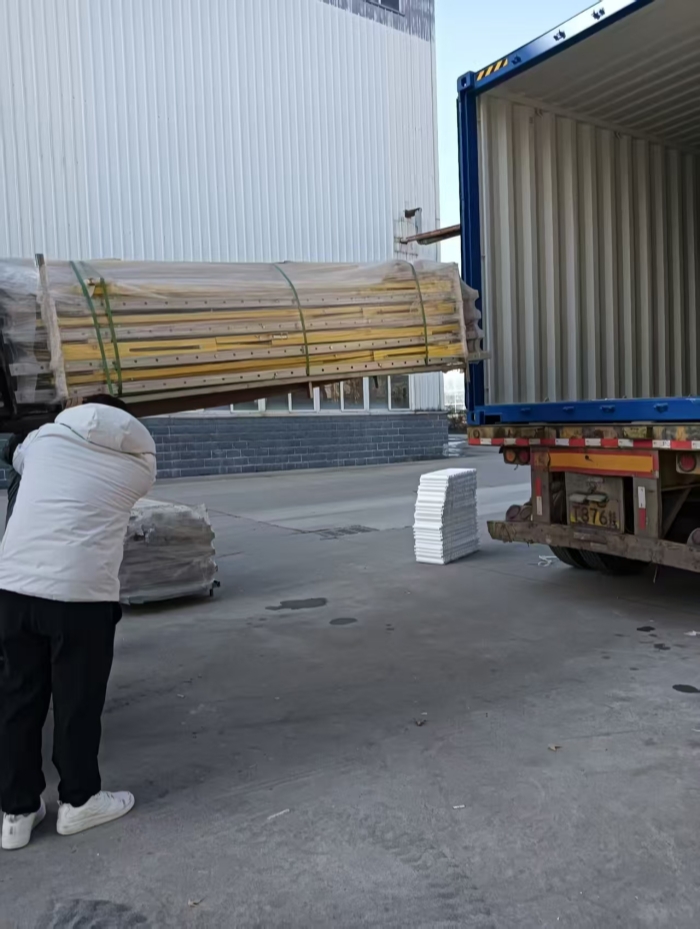
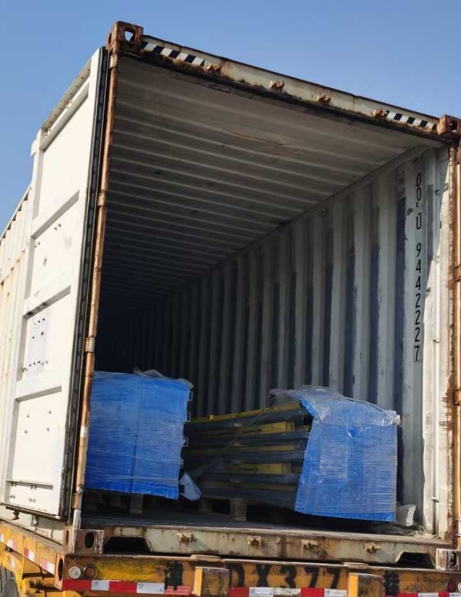
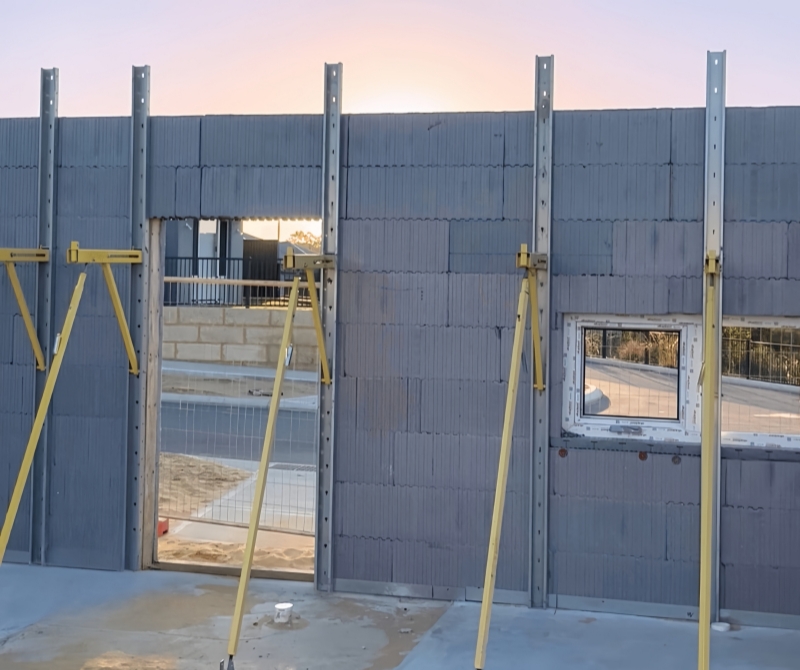
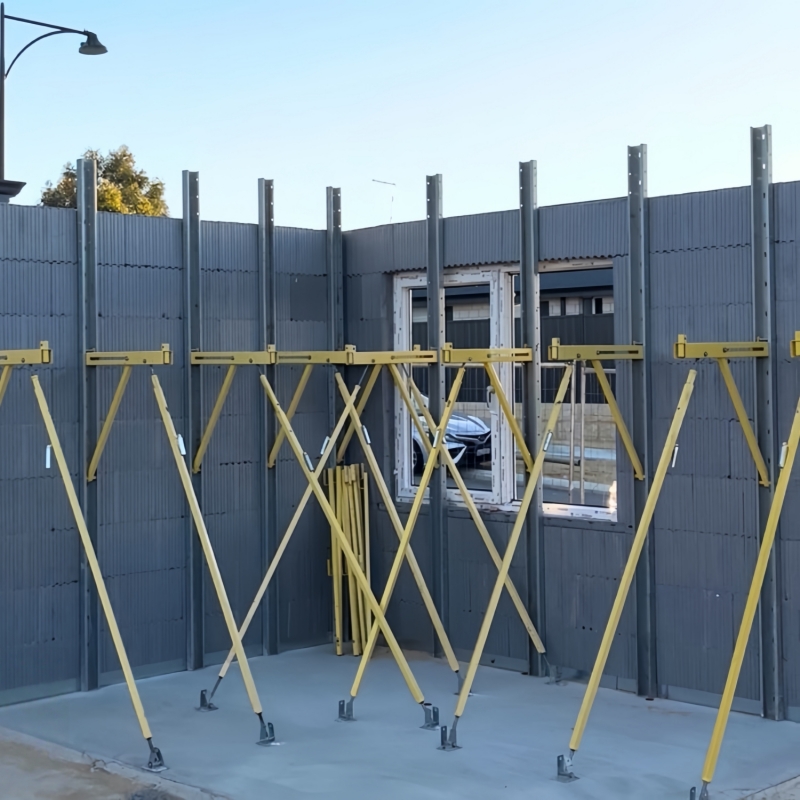
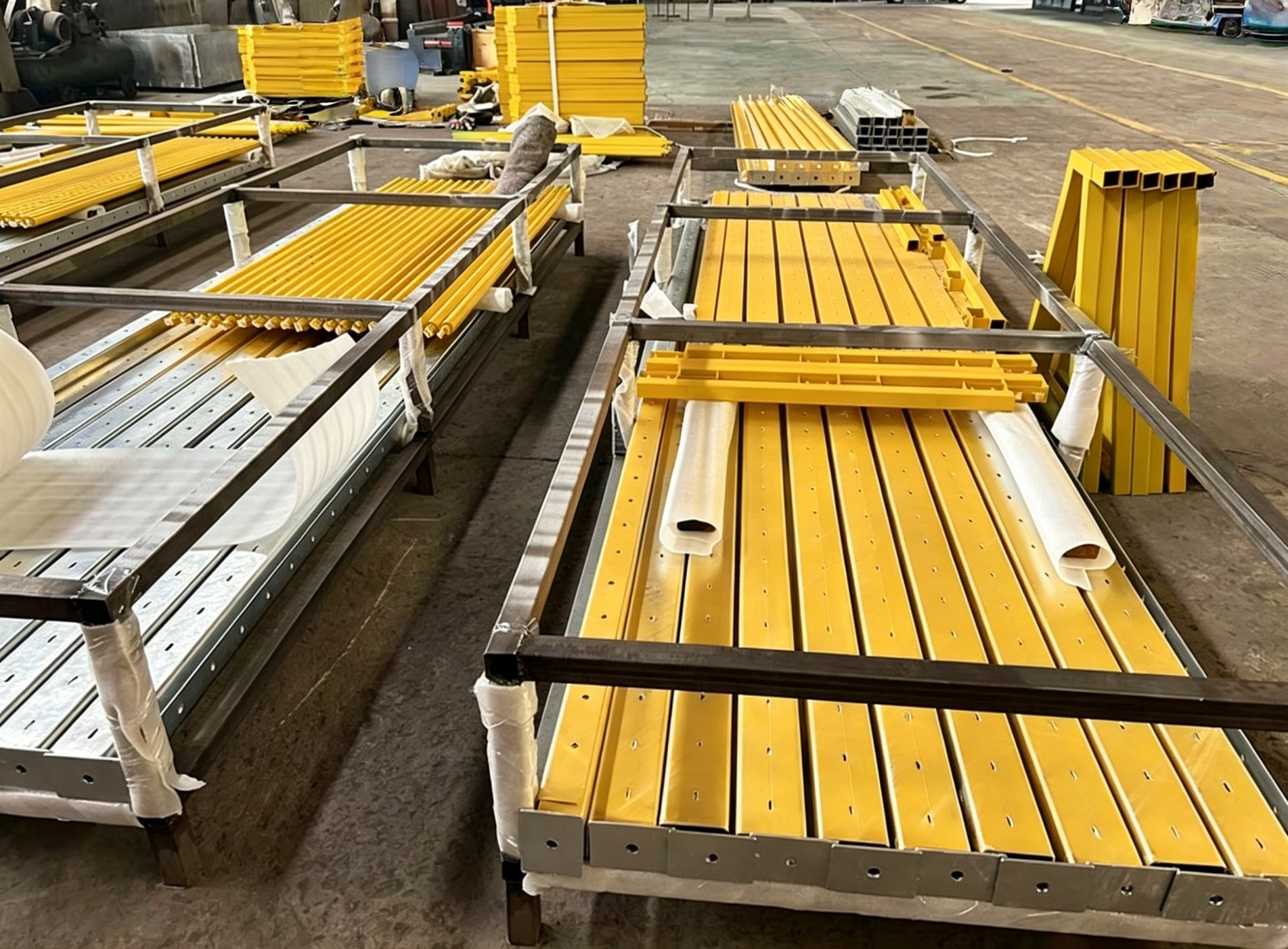
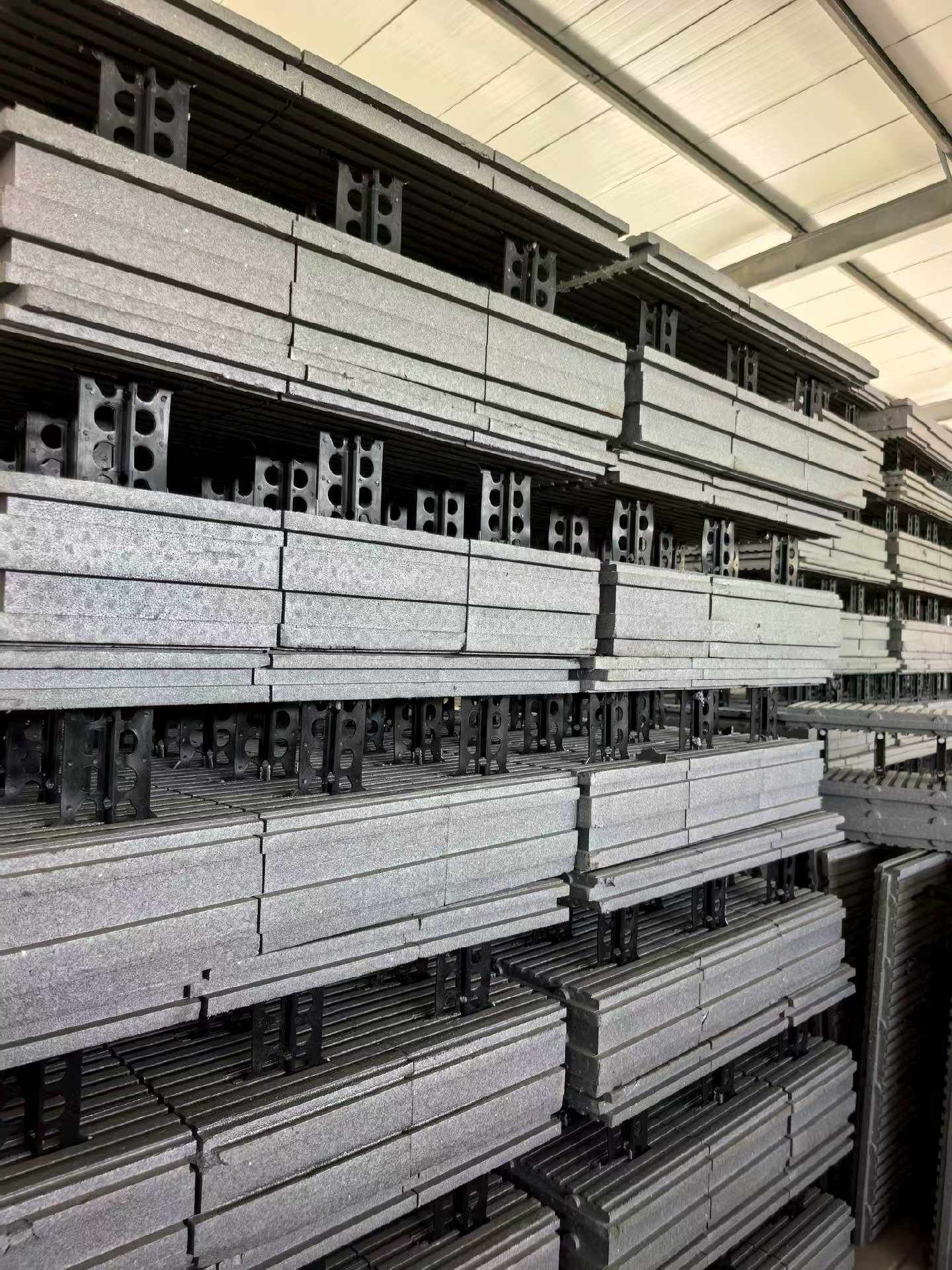
Folding ICF Bracing — Reordered by a Long-Term Australian Partner | Compact, Fast, Jobsite-Ready
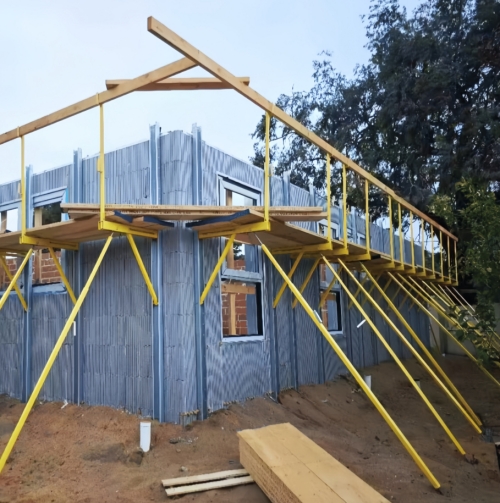
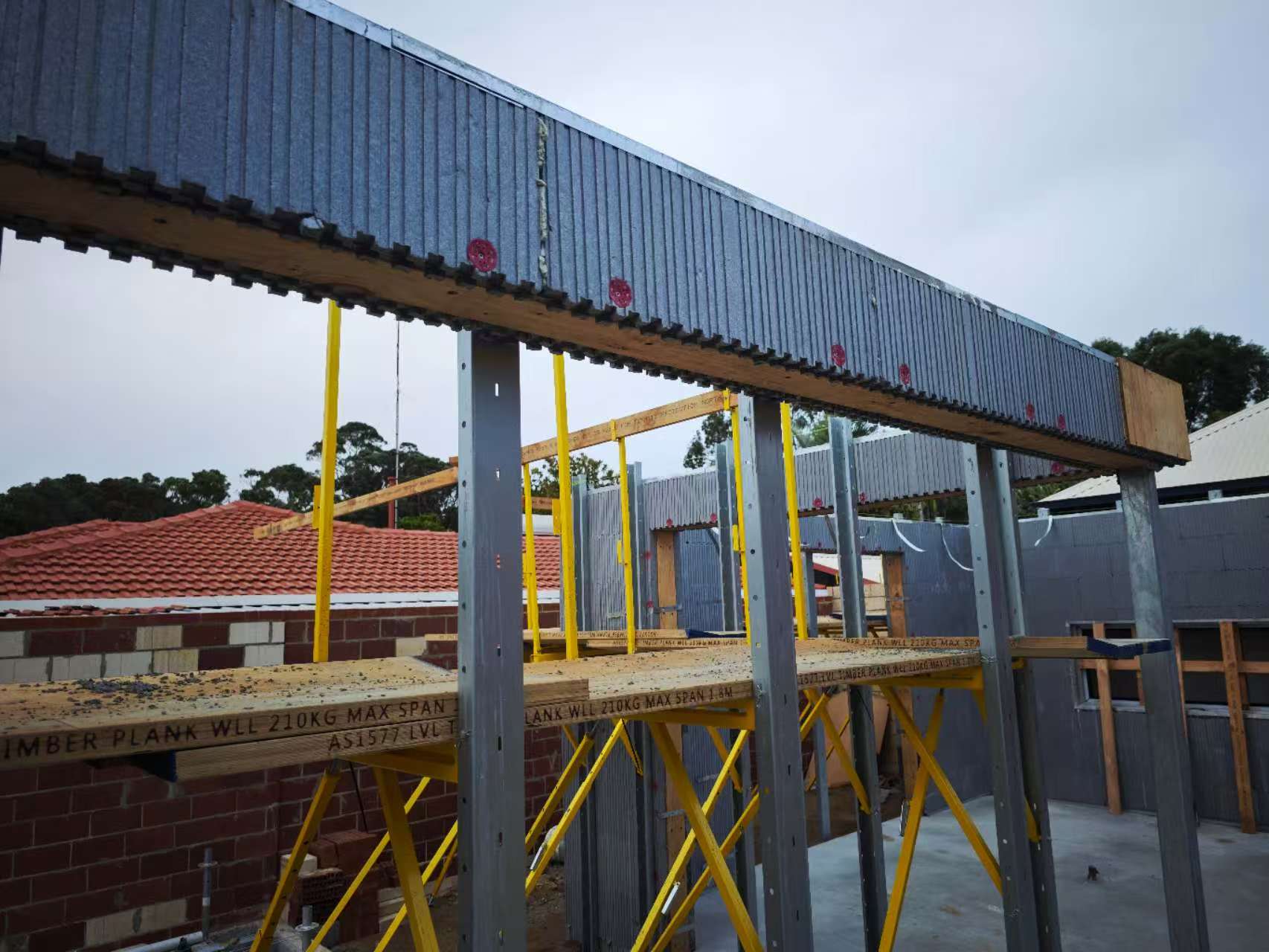
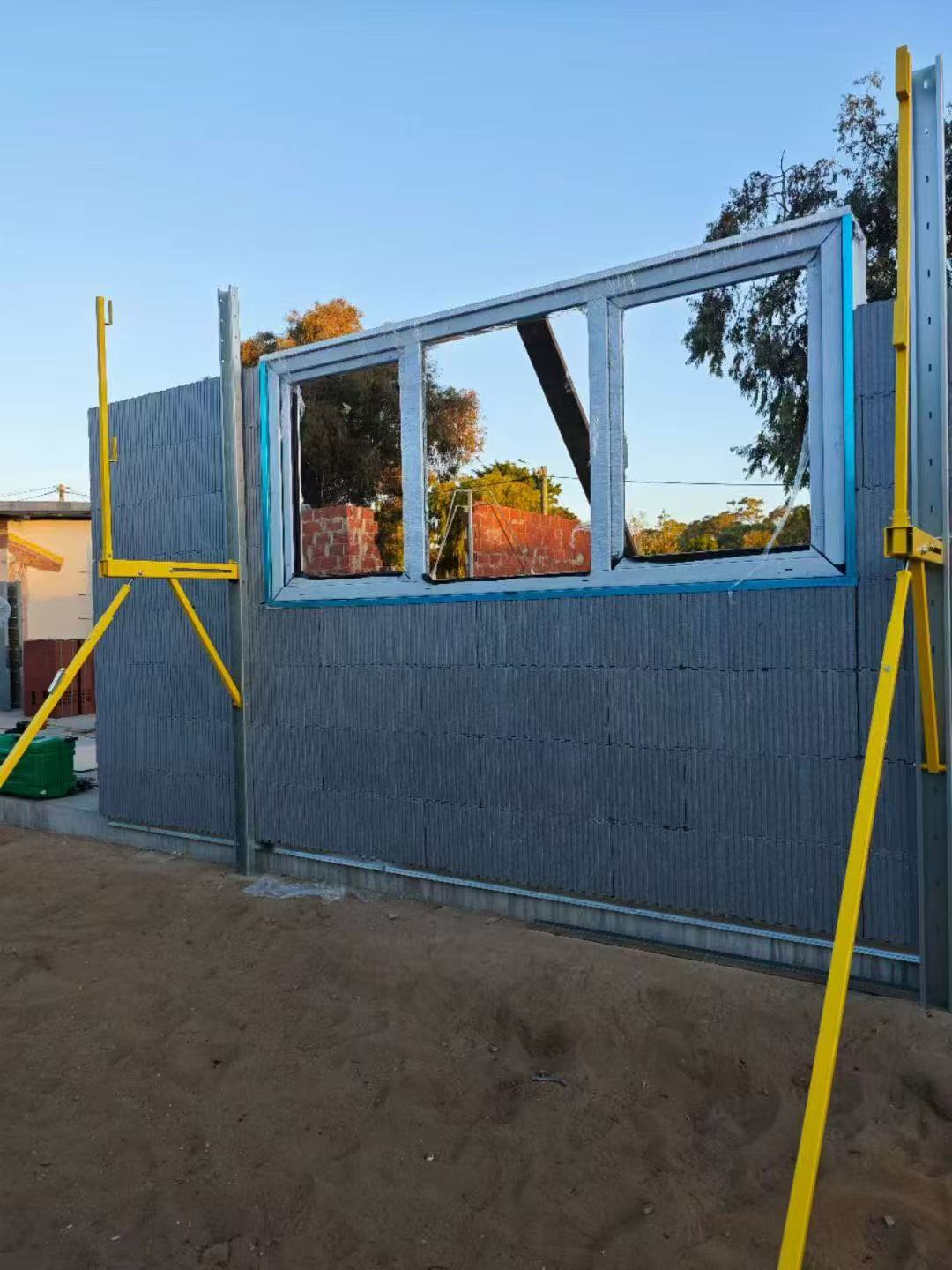
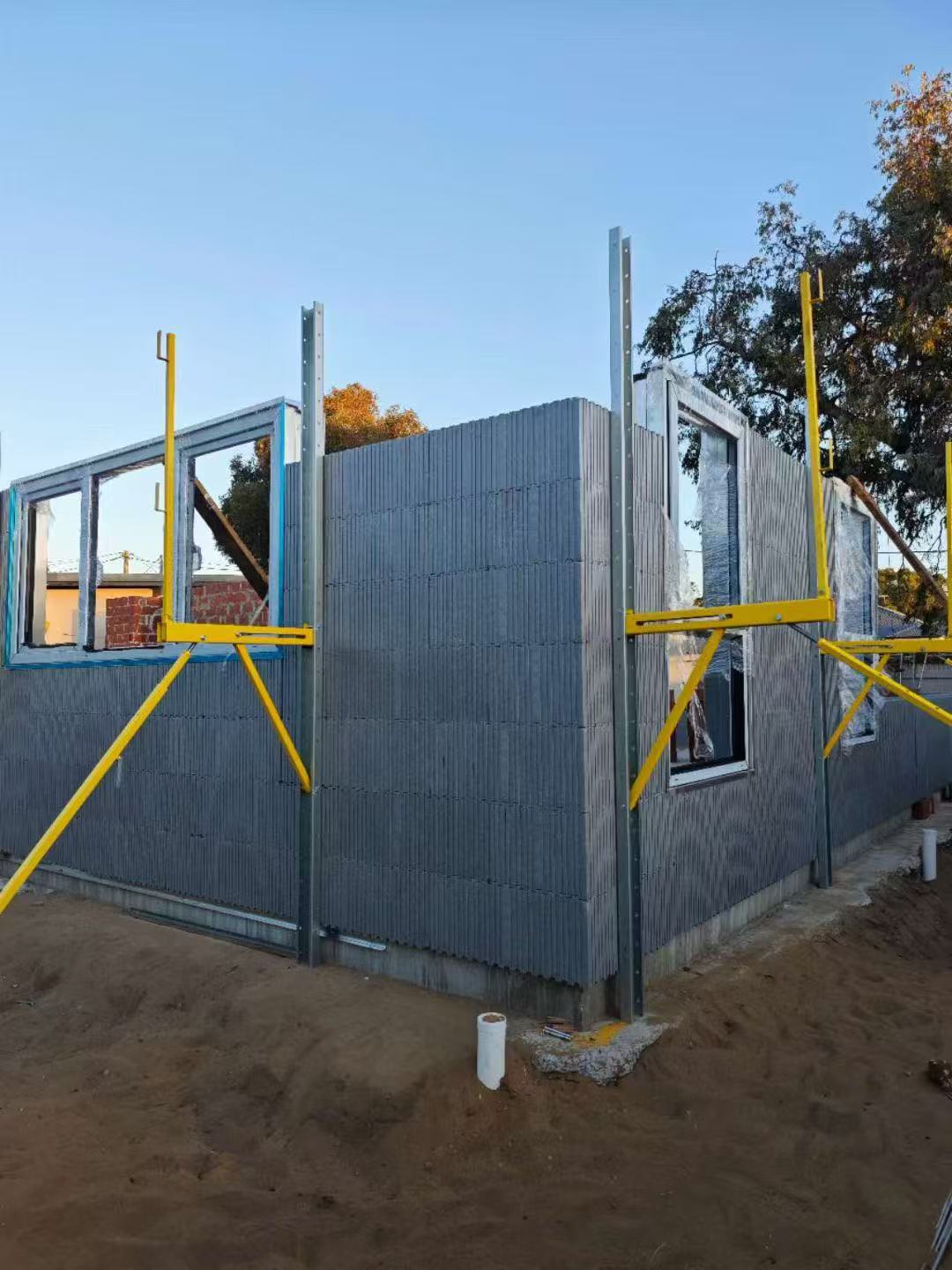
(Photos from the Construction Site)
When Your Best Customer Keeps Choosing the Same Product — Pay Attention
Some products sell because the price is right. Others sell because the marketing is good.
Then there are the products that sell because a builder who has tried everything else keeps coming back for the same thing — order after order, container after container.
Our folding ICF bracing falls into the third category. The latest shipment to Australia was not a new customer testing the water. It was a long-term partner restocking a product they have already proven on project after project.
When a builder with years of ICF experience chooses the folding model repeatedly, the product has spoken.
What Is Folding ICF Bracing?
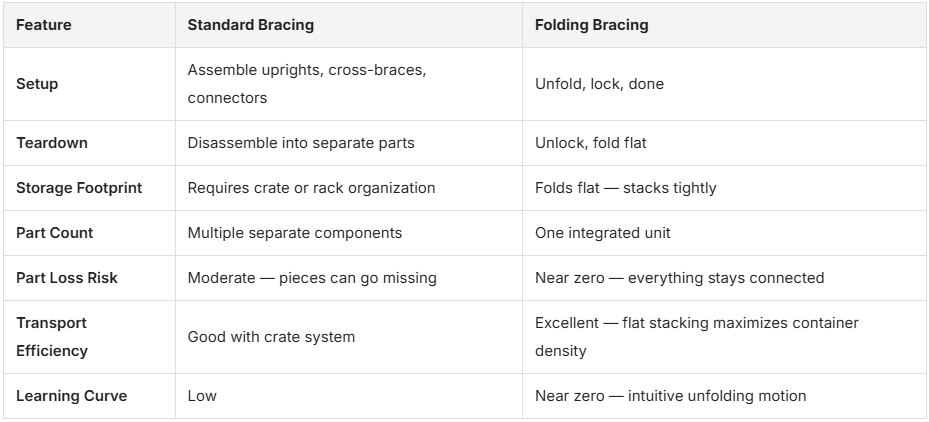
Standard ICF bracing uses separate uprights, cross-braces, and connectors — each piece handled individually during setup and teardown. It works. It is reliable. It is our bestselling product.
Folding ICF bracing takes a different engineering approach. The uprights, cross-braces, and alignment track are connected by permanent heavy-duty hinges.
The entire assembly folds open for use and folds shut for storage — no disassembly, no loose parts, no sorting.
Five Advantages That Make Folding Bracing the Smart Choice
1. Compact Storage — Up to 50% Less Footprint
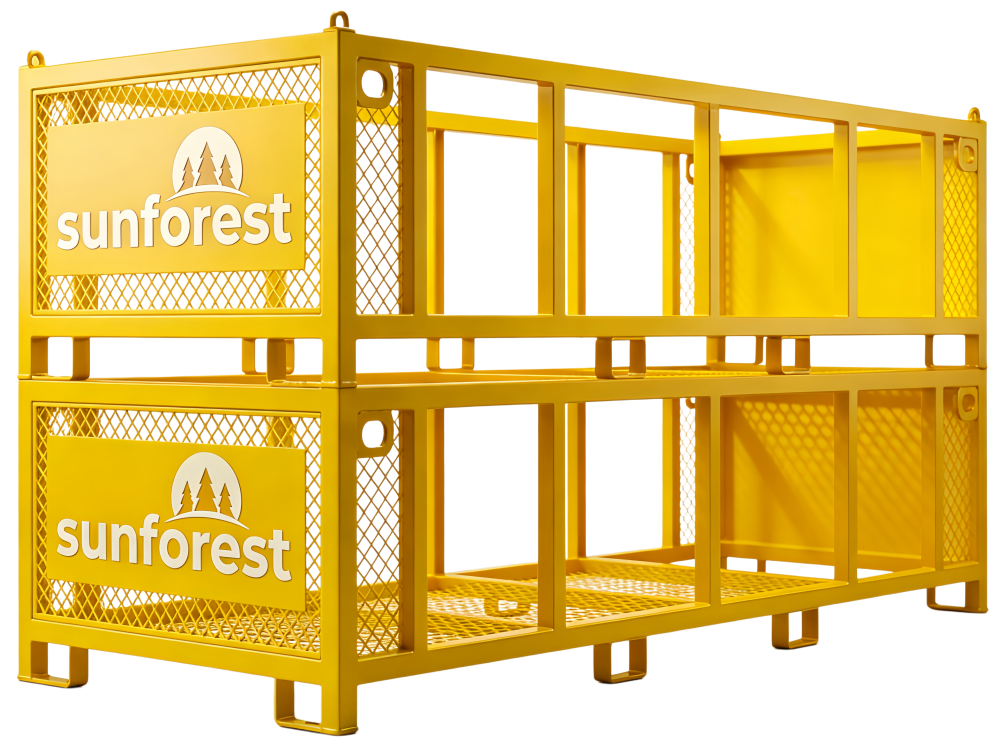
The most immediate advantage of folding bracing is visible the moment the first unit comes off the container. Where standard bracing requires structured racking or a dedicated crate to stay organized, folding bracing stacks flat — unit on unit, dense and stable.
For a builder with limited yard space or a rental dealer managing a growing fleet, this difference compounds with every set added to inventory.
A storage area that holds 100 sets of standard bracing can hold 150 or more of folding bracing — without adding a square meter of storage space.
2. Instant Setup — Unfold, Lock, Pour
The setup sequence for folding bracing is measured in seconds, not minutes:
Lift the folded unit off the stack
Unfold the assembly — hinges open to the working position
Engage the locking mechanism
The bracing is ready
No connecting cross-braces to uprights. No matching left and right components. No hunting for the right pin or wedge. The crew unloads, unfolds, and moves to the next set.
On a project with dozens of bracing positions, the cumulative time savings are measured in hours — not minutes — per pour day.
3. Zero Loose Parts, Zero Lost Parts
This is the folding bracing advantage that generates the strongest loyalty from repeat buyers. Standard bracing, even with the best crate system, still involves separate pins, wedges, connectors, and braces.
On a busy pour day with multiple crews, rain, concrete, and deadline pressure, parts go missing.
Folding bracing eliminates the problem at the engineering level. Every component is permanently attached. Nothing comes apart. Nothing gets dropped between the scaffold and the mud.
Nothing needs to be counted at the end of the day. The crew folds it shut and stacks it — exactly as complete as when they unfolded it that morning.
For rental dealers, this is not a convenience — it is a business model advantage. A folding bracing fleet does not generate disputes over missing parts because there are no separate parts to go missing.
Check-out and check-in take seconds per unit.
4. Maximum Transport Efficiency — More Units per Container
Folding bracing ships flat. When every unit in a container occupies the minimum possible volume, the math favors the buyer in two ways:
Lower per-unit shipping cost — more units in the same container spreads the freight cost thinner
Fewer containers for large orders — a fleet that requires three containers of standard bracing may fit in two of folding
For an Australian builder or dealer importing from overseas, container efficiency directly impacts landed cost.
The folding design does not just save space on site — it saves money before the container doors ever open.
5. Proven in the Field — Backed by a Long-Term Partnership
The folding bracing on its way to Australia is not a prototype. It is a proven model, already deployed across multiple projects by a customer who has worked with us long enough to know what works and what does not.
Their repeat orders are the most honest product review any manufacturer can receive.
That same customer has access to our full product ecosystem — standard bracing, ICF blocks, steel planks, accessories — yet they continue to specify folding bracing for projects where speed, space, and simplicity matter most.
The product earns its place in their fleet with every pour.
Who Should Choose Folding Bracing Over Standard?
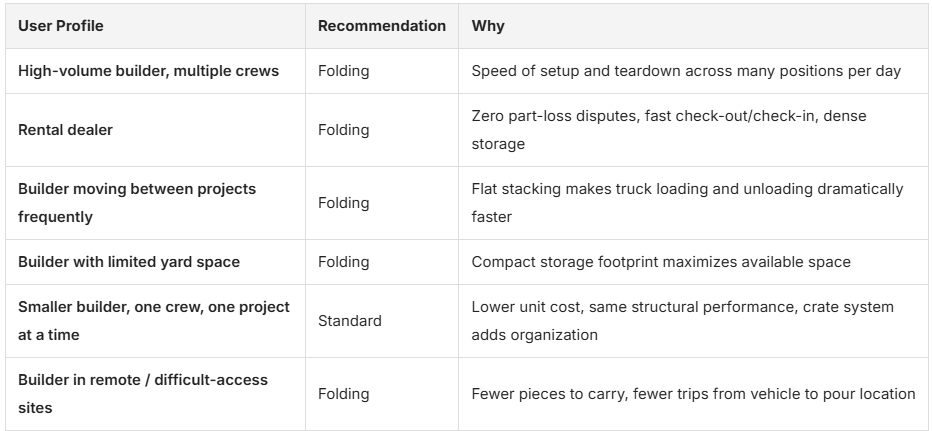
The choice is not about which product is better — both deliver the same wall stability and alignment precision. It is about which product fits the operation. Fold when speed and space are the priority. Choose standard when upfront cost and customization matter most.
Same Quality Foundation — Different Engineering Philosophy
Both folding and standard bracing share the same manufacturing DNA:
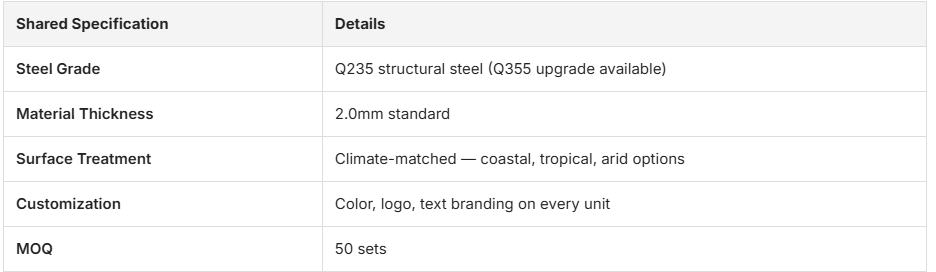
The folding model adds precision-engineered hinges and a locking mechanism to that foundation. The hinges are fabricated from the same Q235 steel with reinforced pivot points — designed to withstand thousands of open-close cycles across years of project use.
Australia: The Right Market for the Right Product
Australia's construction industry operates across vast distances, with projects scattered from coastal cities to remote regional sites. Labor is expensive. Time on site is tightly scheduled. Storage space in urban yards is at a premium.
These conditions reward equipment that saves time, saves space, and eliminates rework.
Folding ICF bracing fits that profile precisely. The Australian partner who reorders it knows this — not from a brochure, but from watching their crews deploy it and their accountants track the savings.