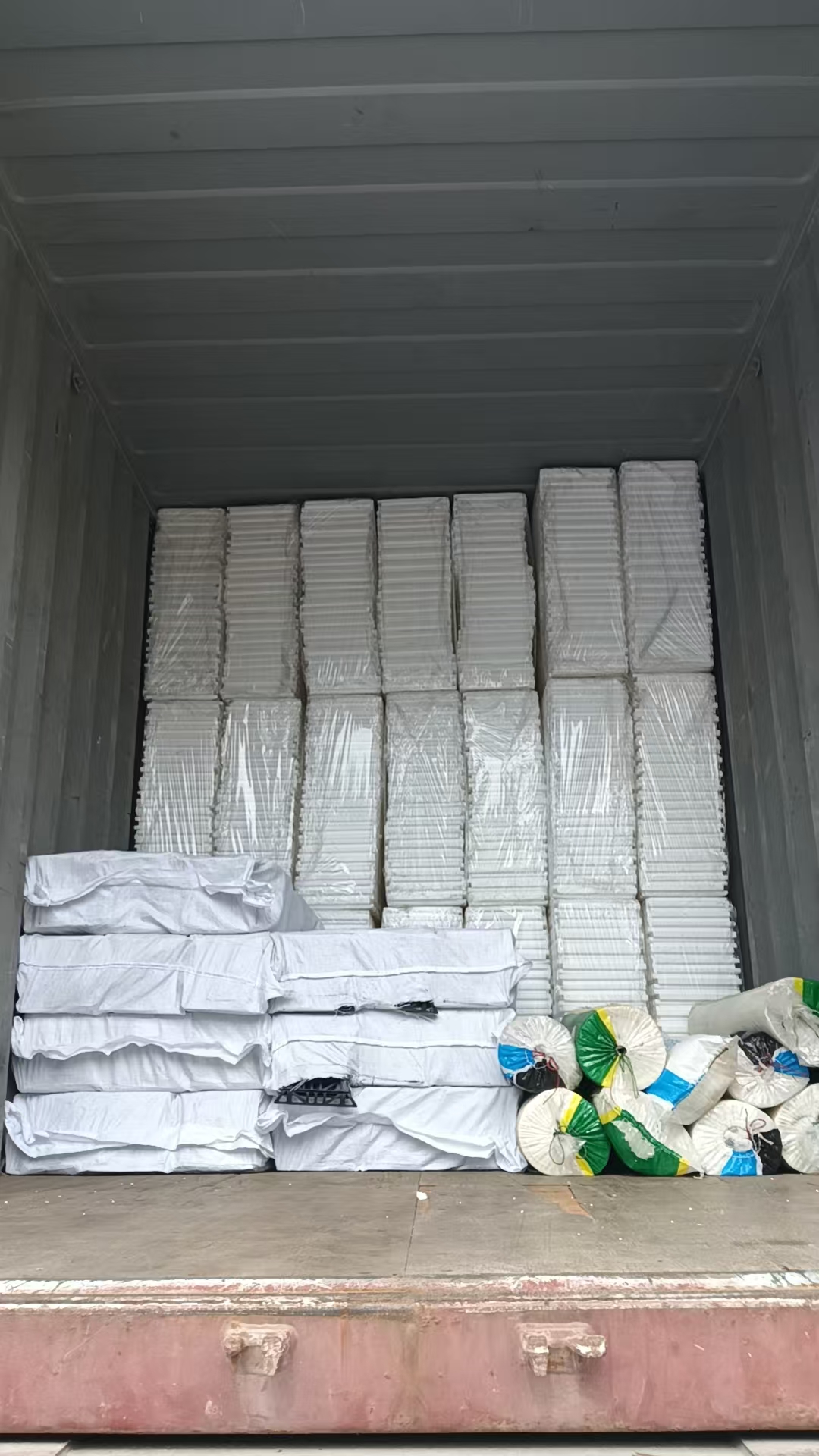
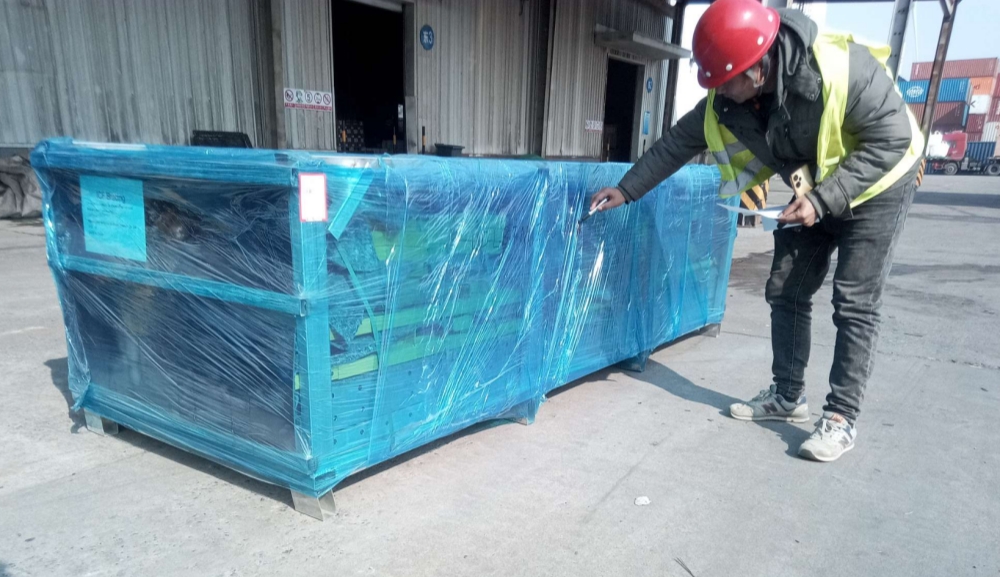
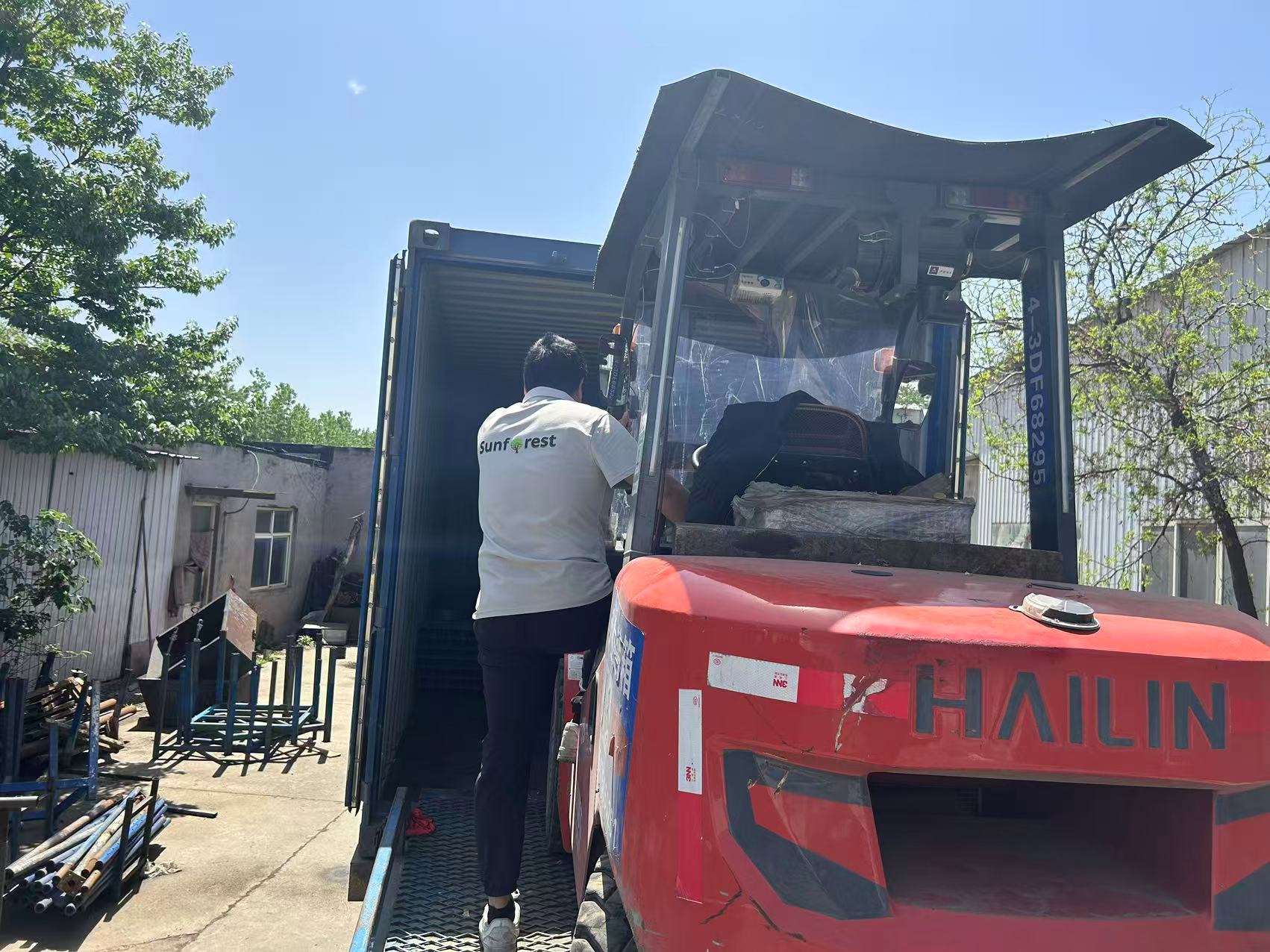
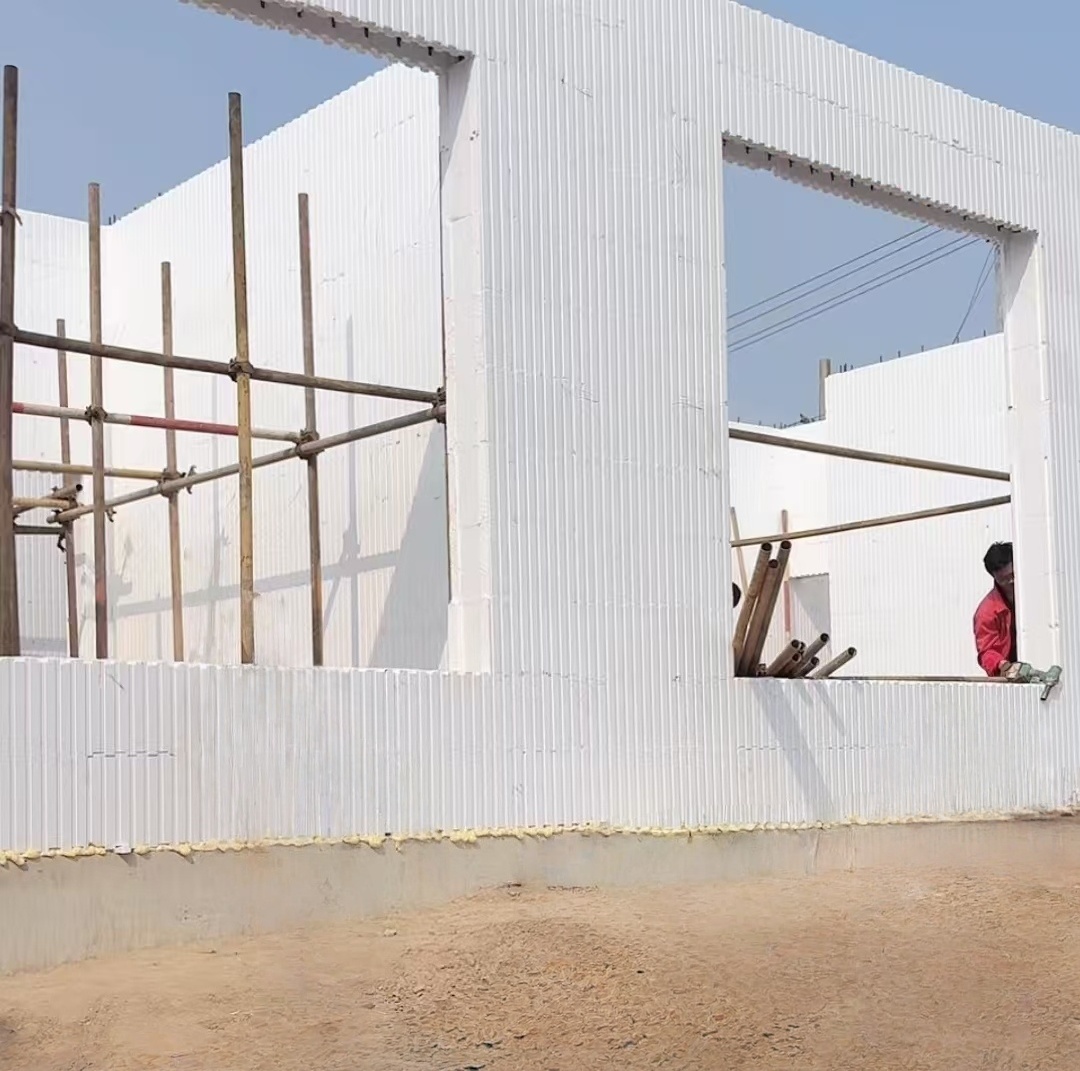
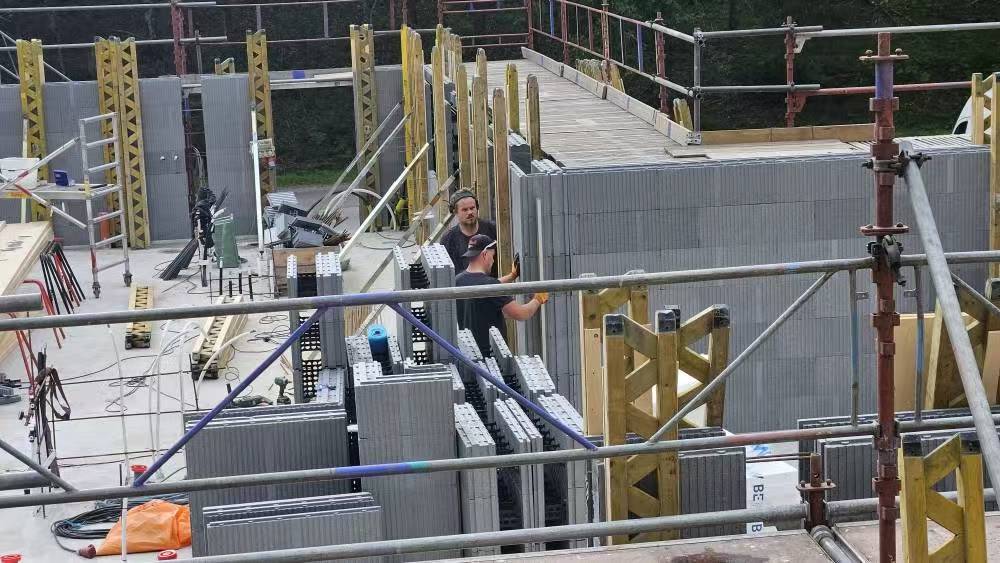
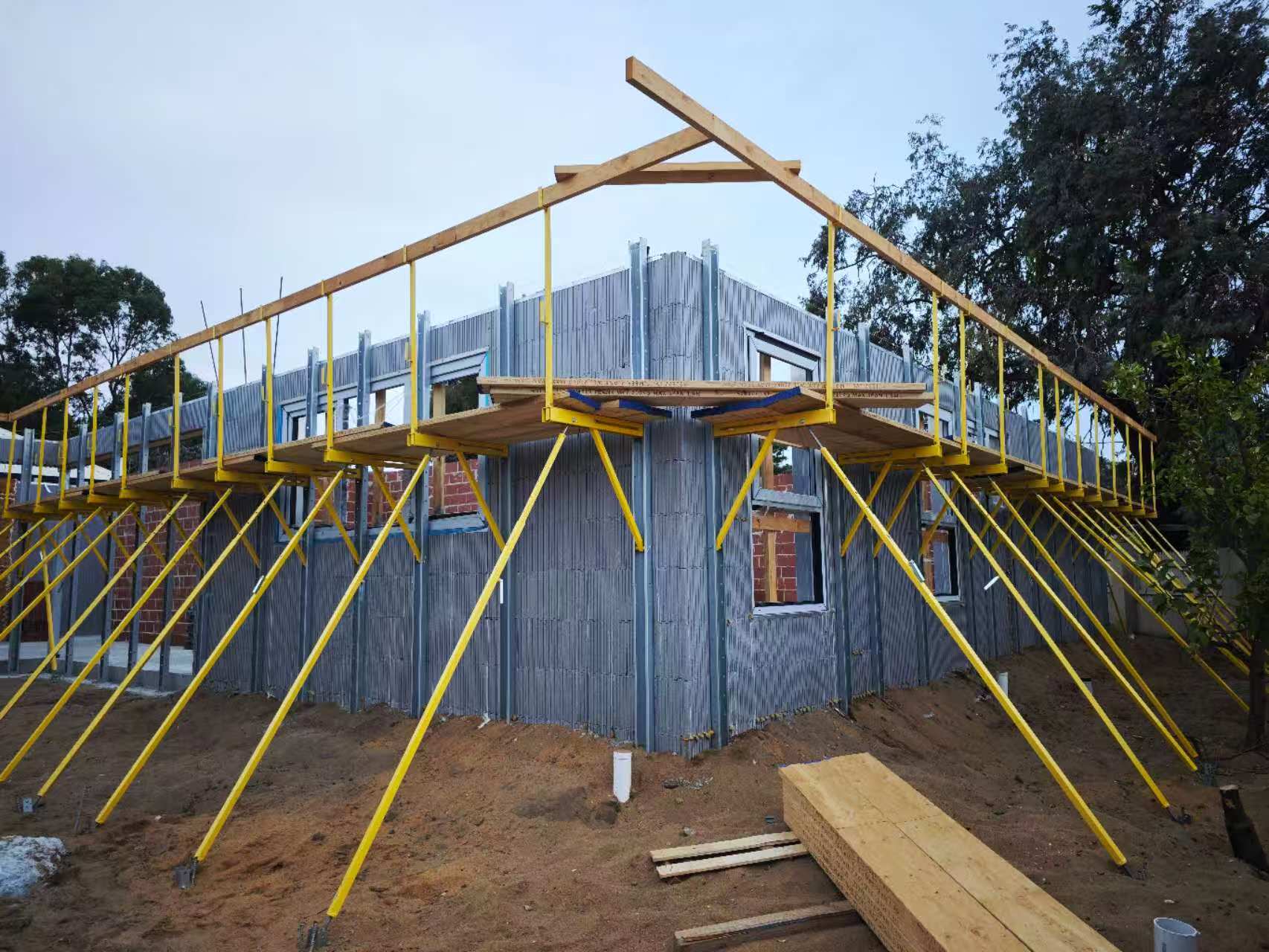
350mm Graphite ICF Shipped to Edmonton - Year-Round Thermal Performance for Extreme Climates
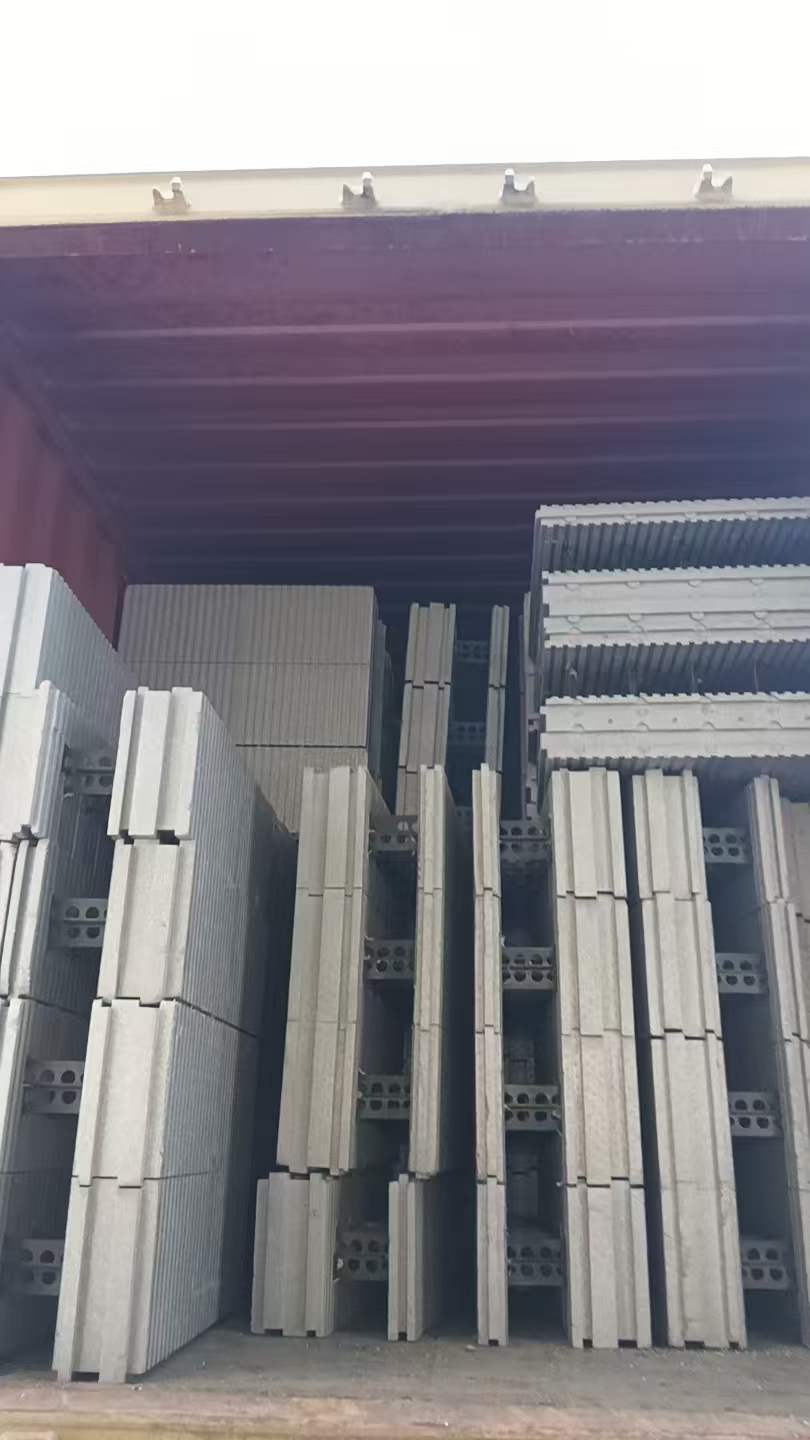
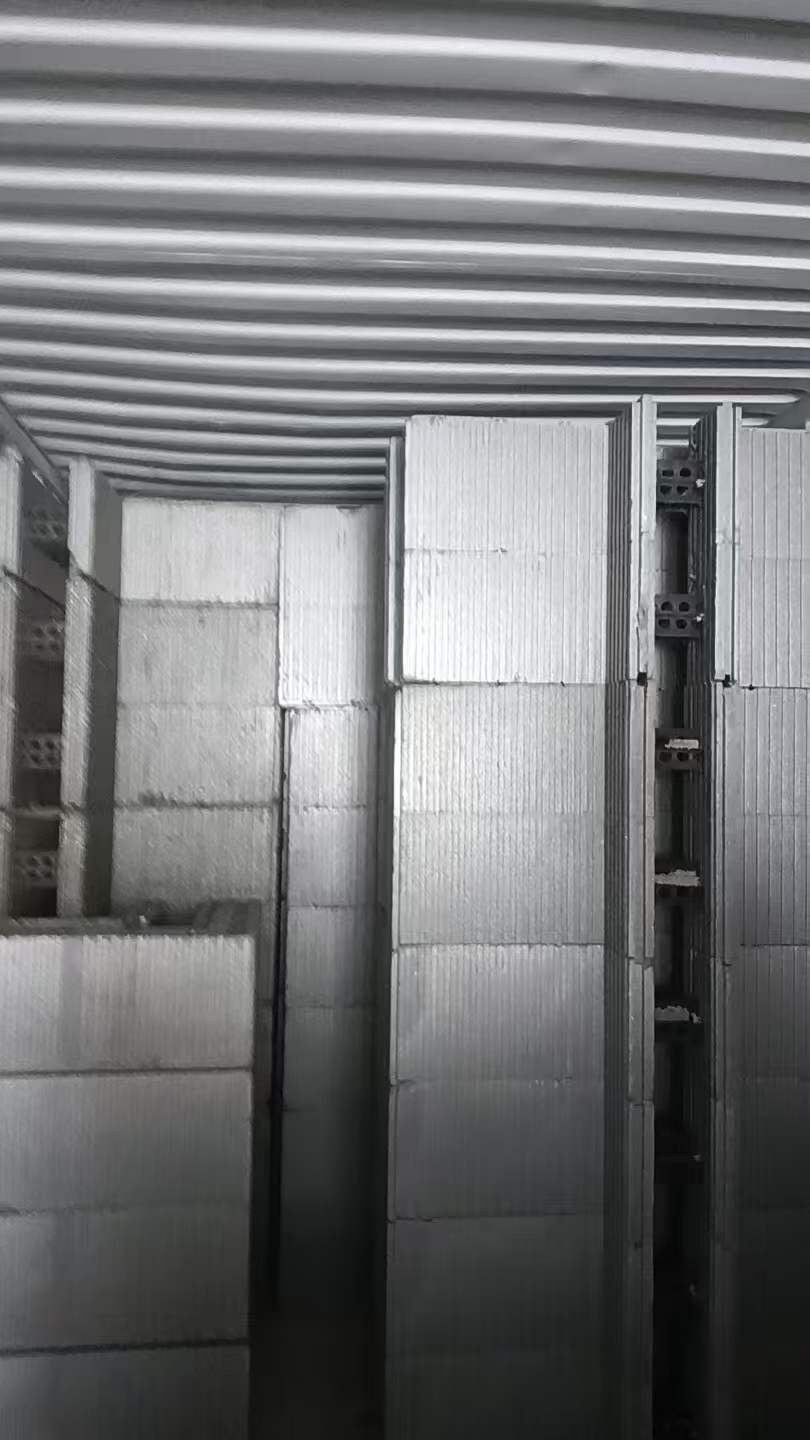
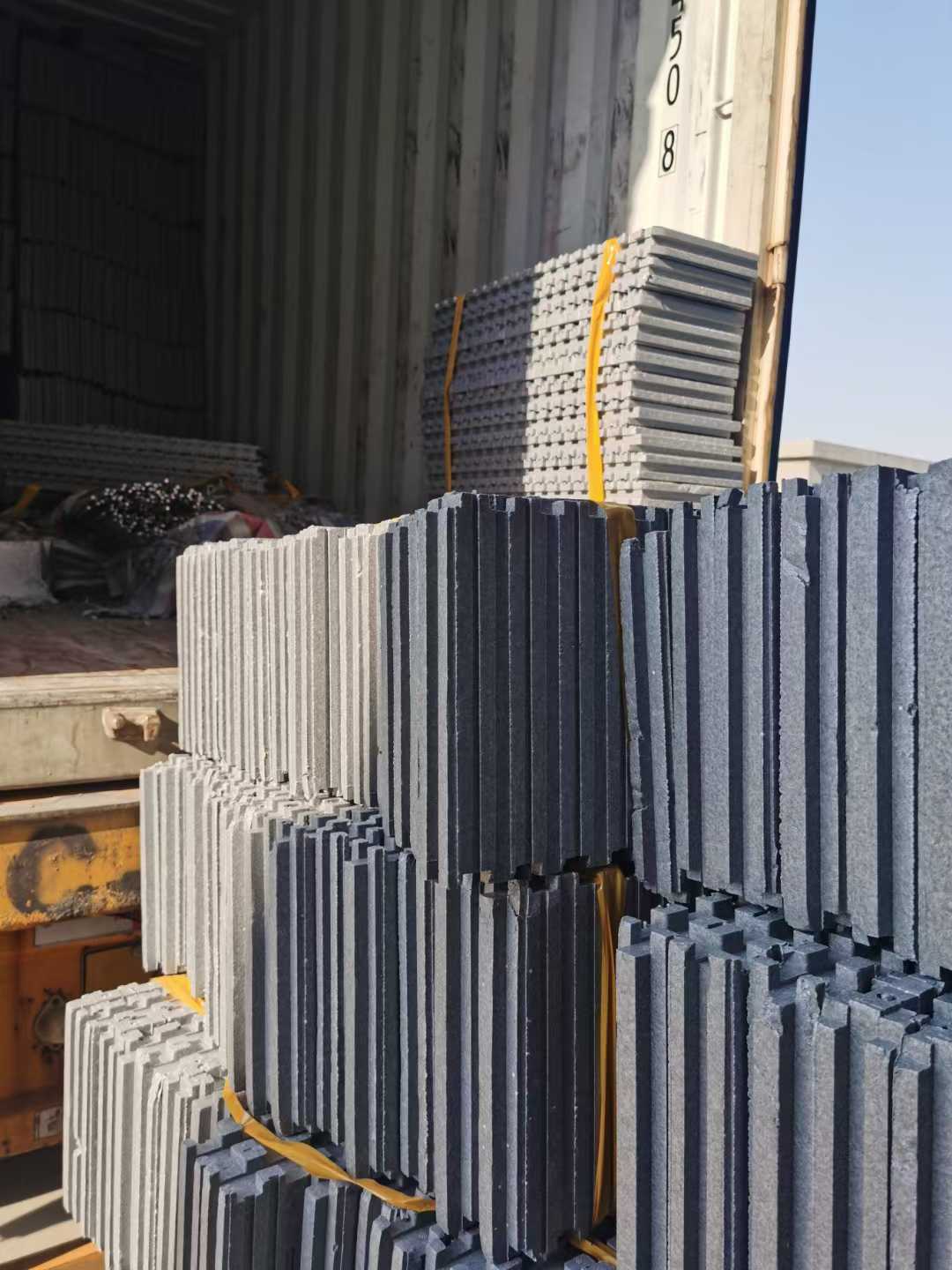
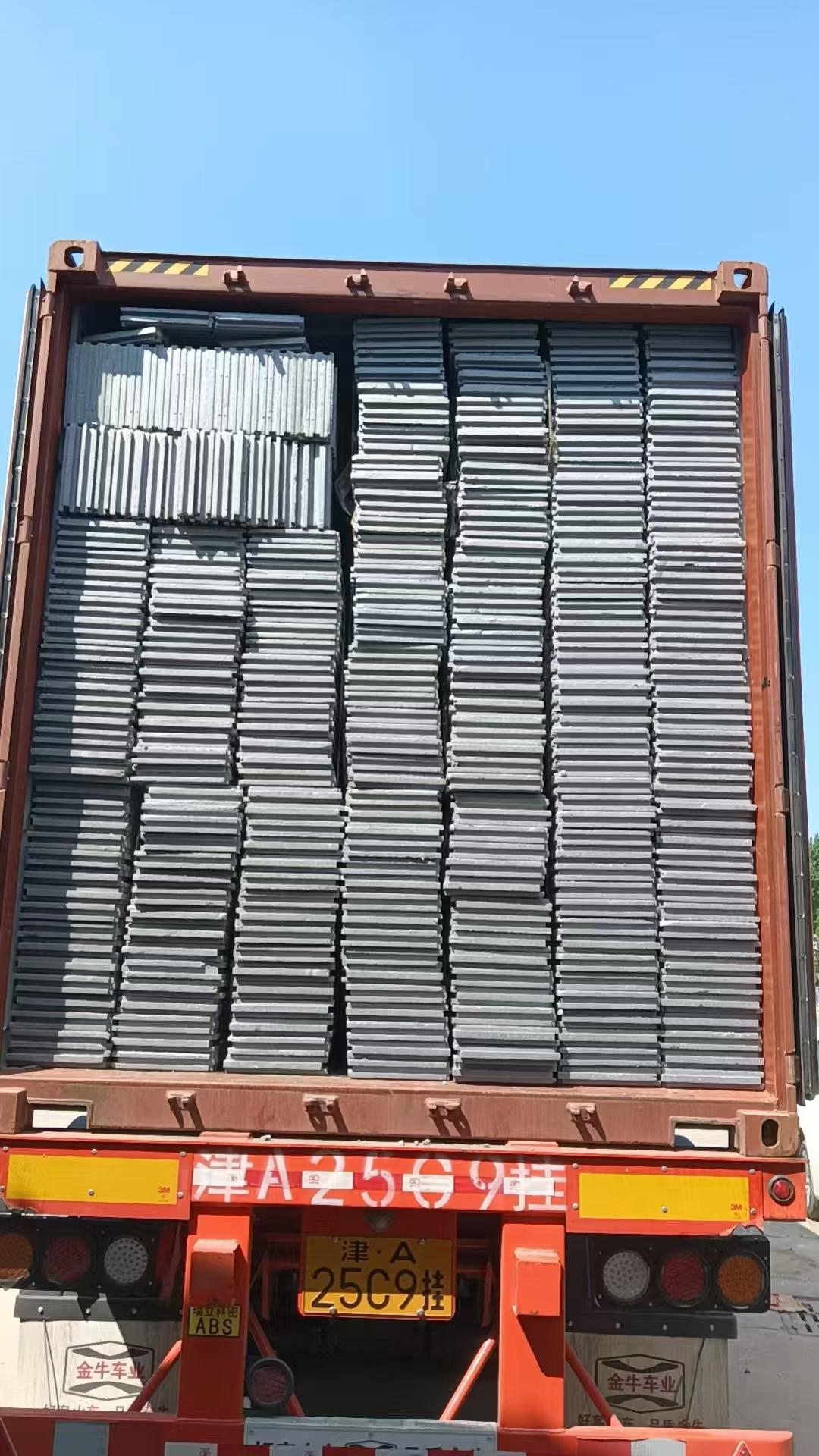
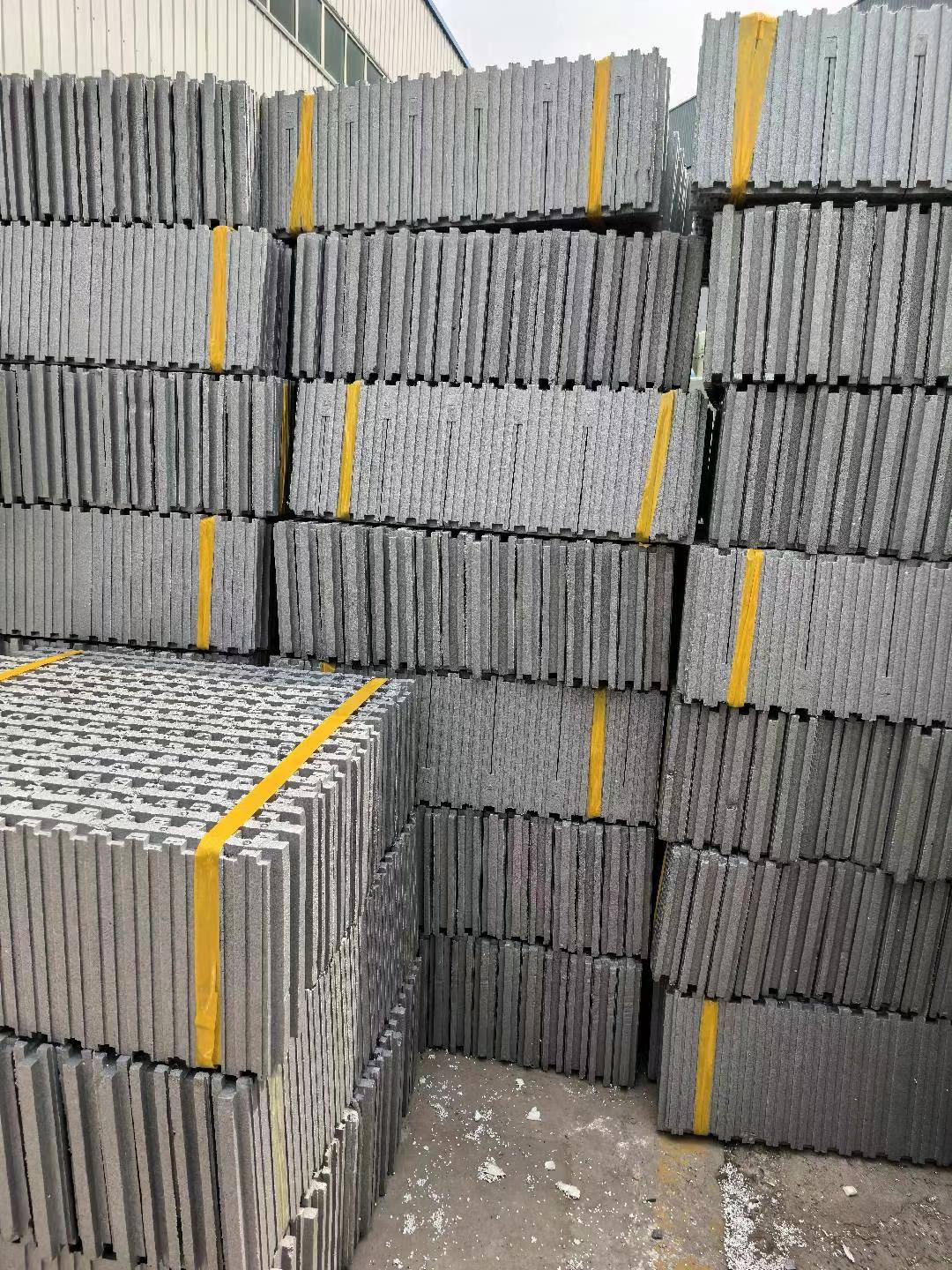
Standard + 350mm Graphite-Grey, One Shipment
Graphite EPS: Warmer in Winter, Cooler in Summer
Superior Thermal Isolation — Blocks Heat Exchange Between Indoors and Outdoors
Year-Round Energy Savings — Lower Heating in Winter, Less Cooling in Summer
28-30kg/m³ High Density — Both Standard and Graphite Specs
Custom Color & Low MOQ on Both Product Lines
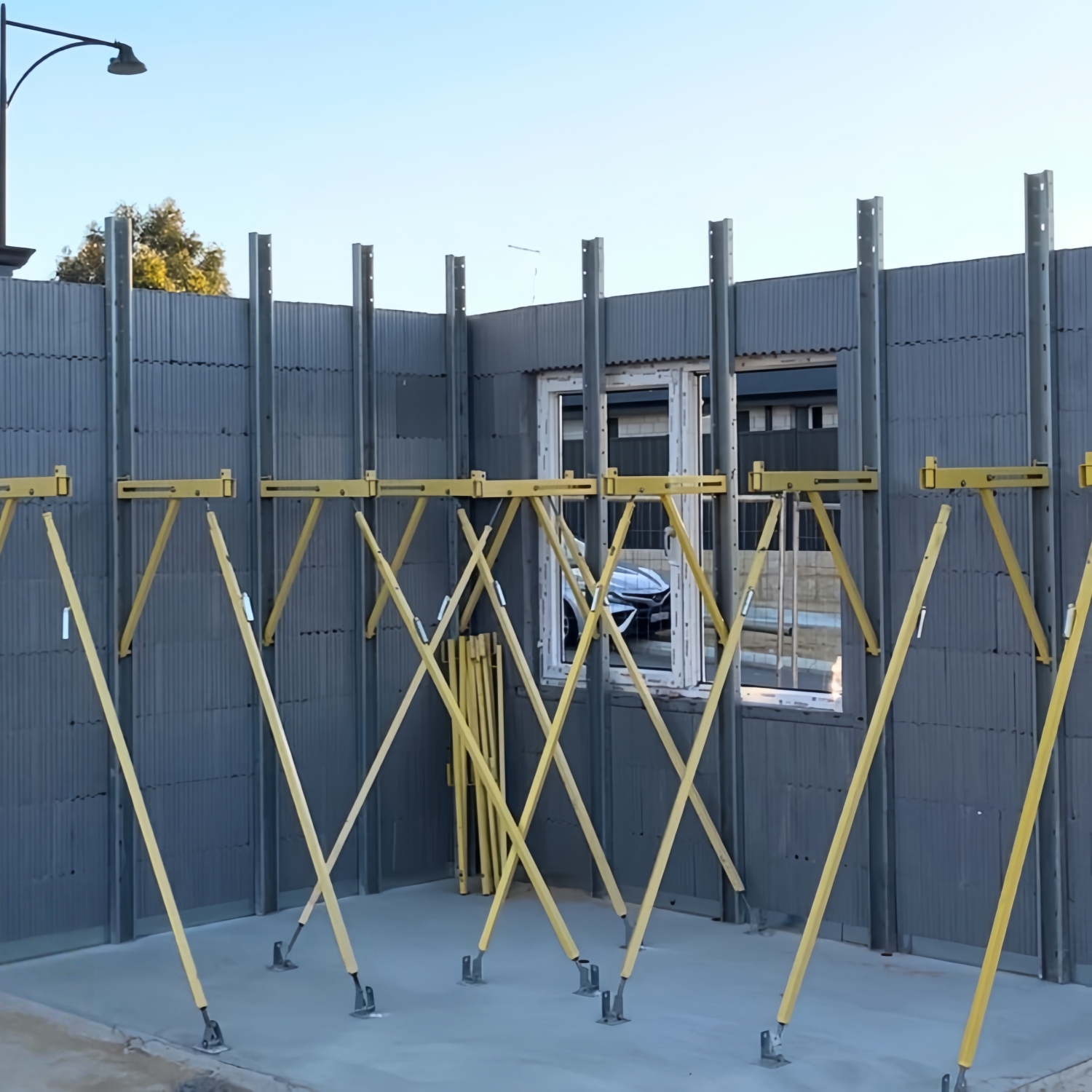
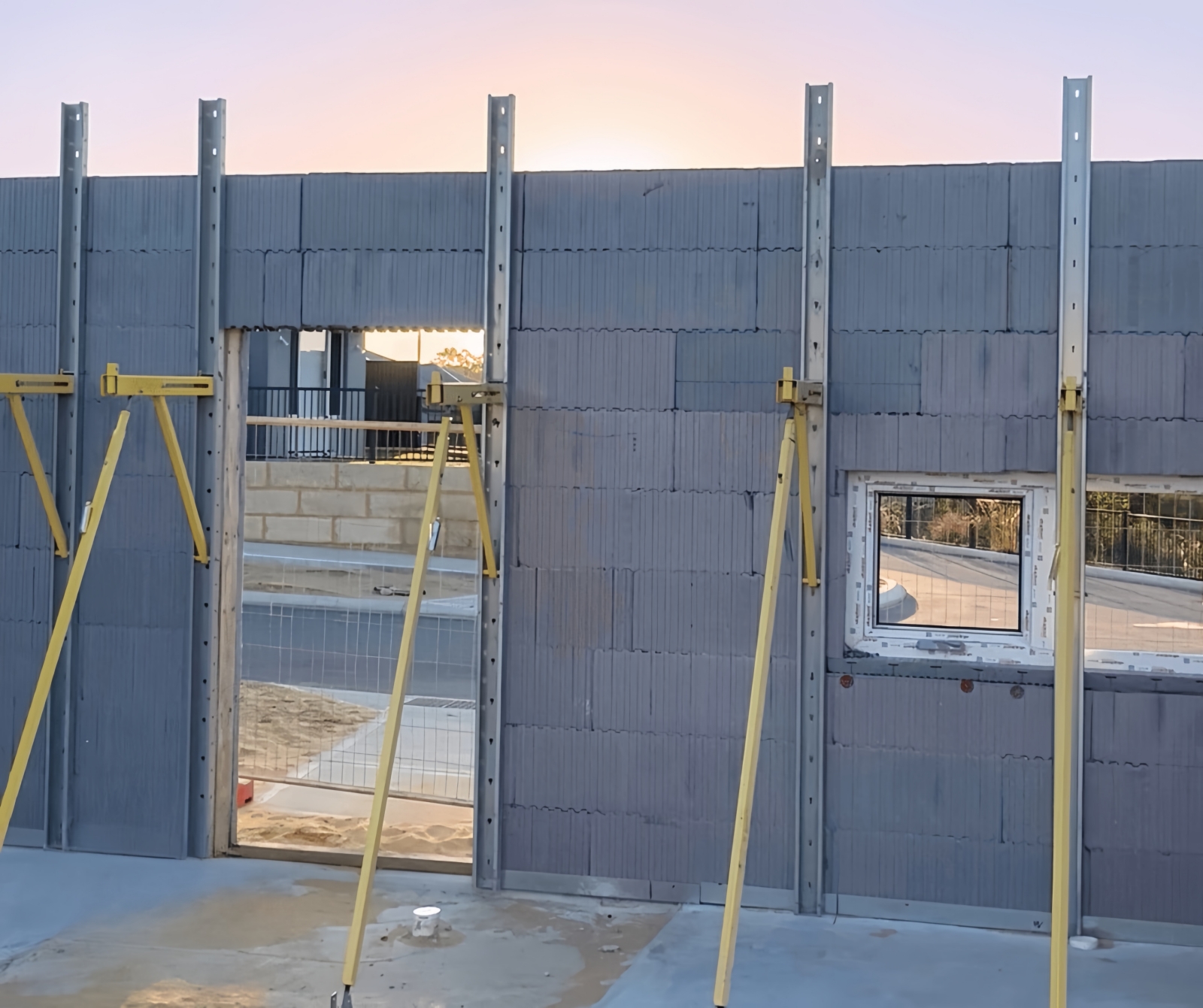
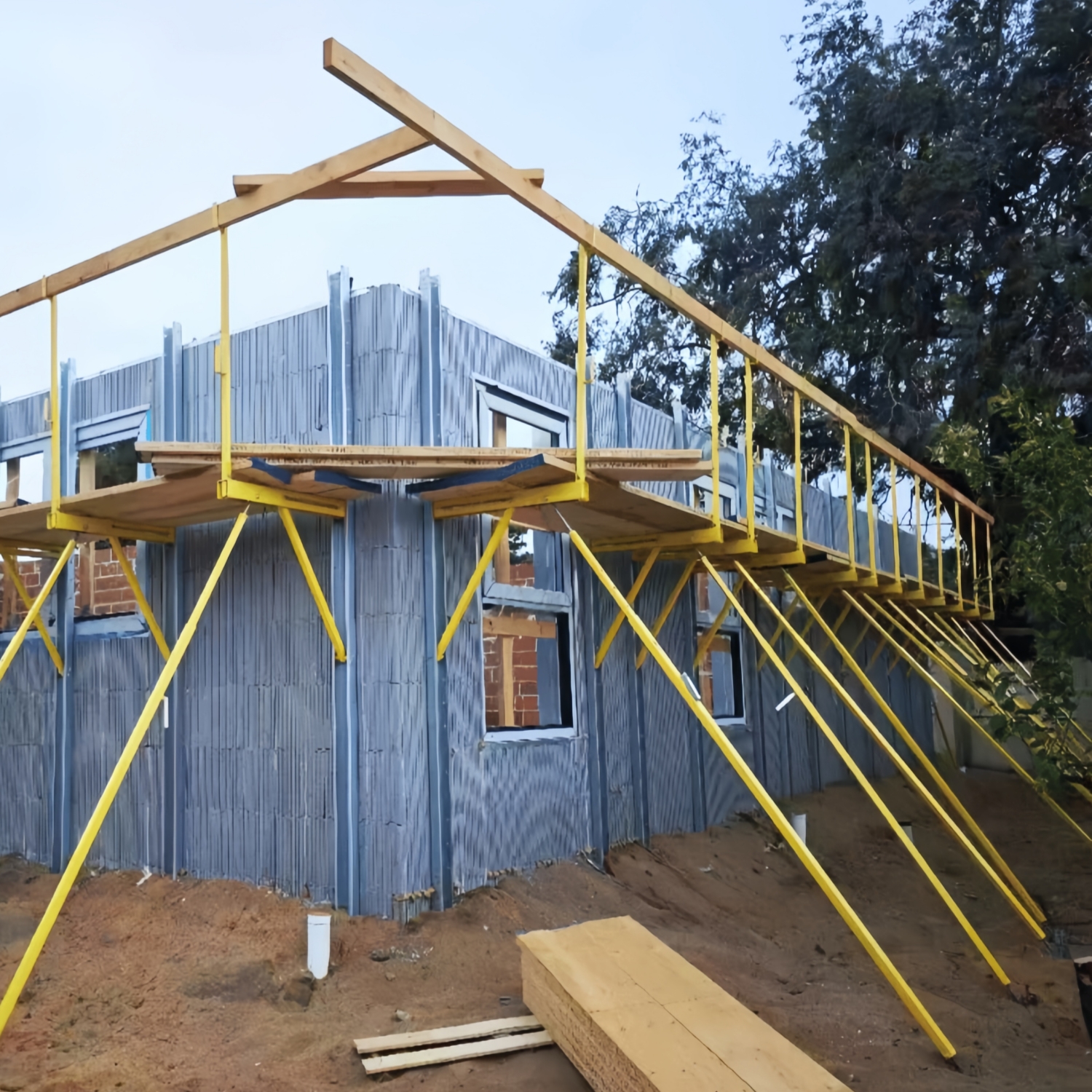
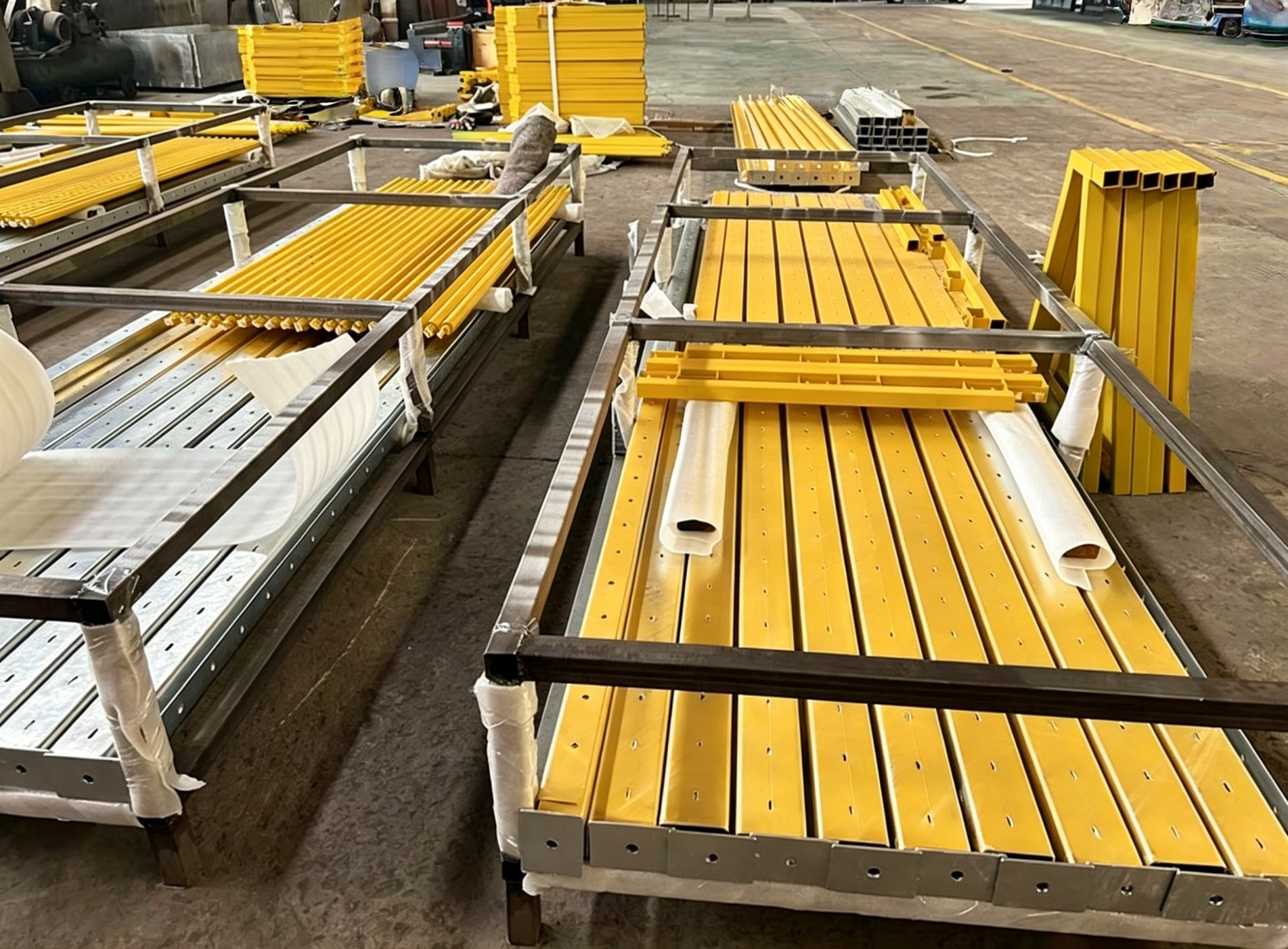
One-Stop: Matching Bracing, Cutting Tools, Mixers & Mesh Included
Two ICF Lines, One Shipment, One Edmonton Winter
Most builders treating extreme-cold climates hedge with a single thickened wall spec and call it done. The Edmonton builder who came to us took a smarter approach.
they ordered both standard ICF and 350mm graphite-grey ICF , deploying each product where it delivers the greatest return.
The result is a lesson in thermal economics: graphite where the envelope fights the elements hardest, standard where baseline performance is enough. One supplier, one shipment, two precision tools.
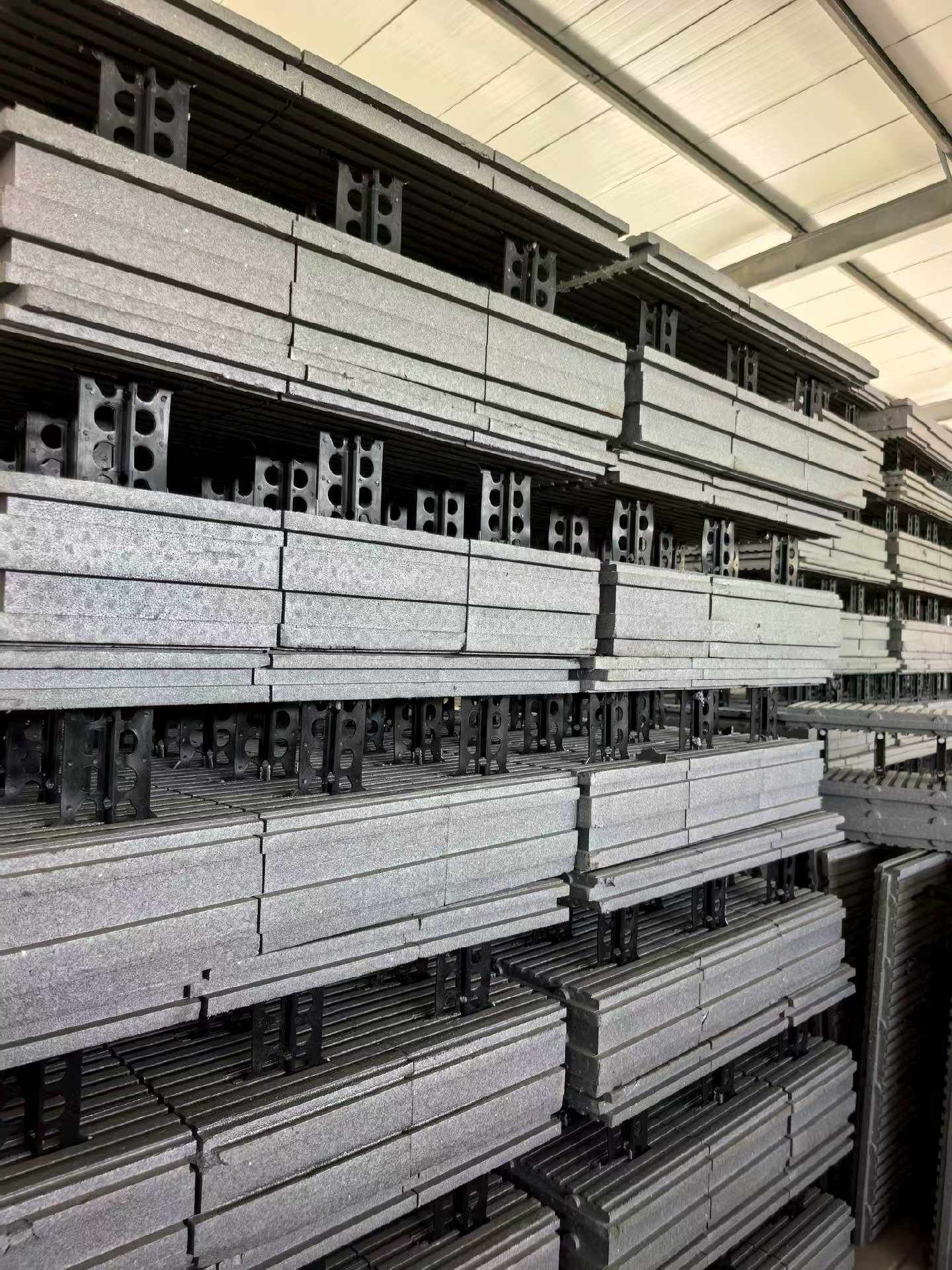
Understanding Graphite ICF — It's Not Just Thicker. It's Smarter.
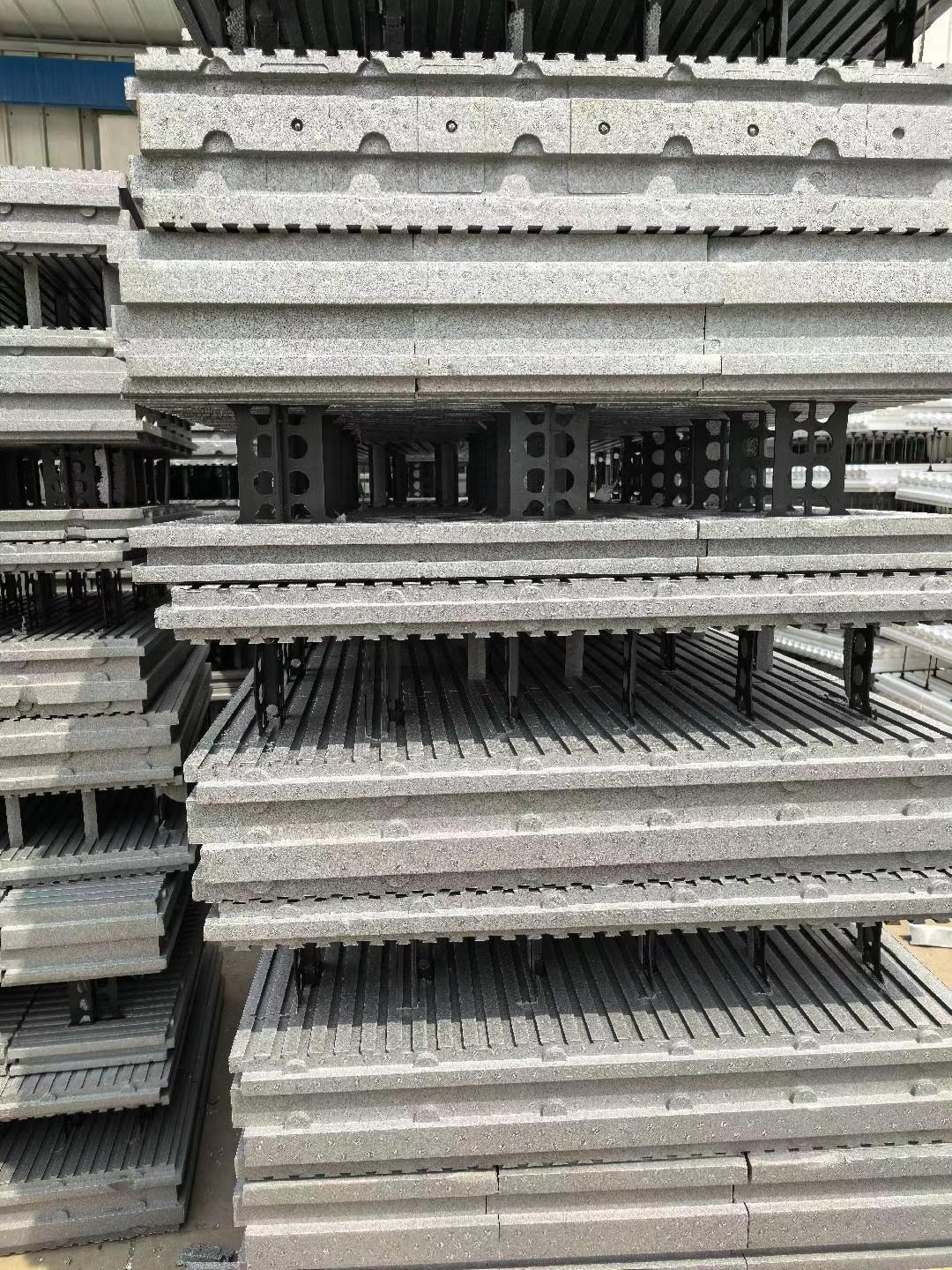
Standard ICF relies on white expanded polystyrene (EPS), a proven insulator that slows conductive heat transfer through the wall. It works. But graphite-enhanced EPS works differently — and measurably better.
Graphite particles dispersed throughout the EPS matrix act as microscopic infrared reflectors. Heat energy traveling through the wall encounters these particles and is scattered back toward its source — indoors in winter,
outdoors in summer. This is not marketing language. It is physics, and it produces concrete outcomes:
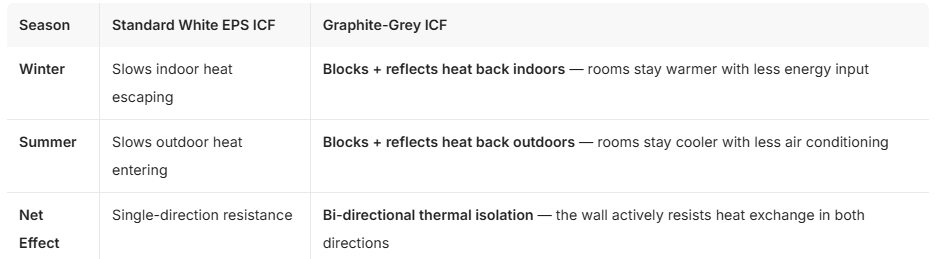
The practical difference: a home built with graphite ICF maintains a more stable indoor temperature across day-night and seasonal swings. The furnace runs less in January. The AC works lighter in July. Energy bills drop year-round, not just for one season.
Why This Matters More in Edmonton Than Anywhere Else
Edmonton's climate amplifies every weakness in a building envelope. Winter lows at -30°C meet summer highs above 30°C — a 60-degree annual swing that punishes walls that perform well in only one direction.
A standard ICF wall with good R-value will keep heat in during winter. But come summer, that same wall passively conducts outdoor heat inward — and the air conditioning works harder to compensate.
Graphite ICF changes the equation: it resists heat transfer in both directions equally, meaning the building stays warmer when it is cold and cooler when it is hot.
For the homeowner, this translates to lower energy bills across all twelve months — not just a smaller gas bill in February but a smaller electricity bill in July as well. For the builder, it translates to a compelling sales argument that no standard ICF competitor can match.
The Smart Dual-Spec Strategy
The Edmonton order combined two product lines for a reason: not every wall in a building faces the same thermal stress.
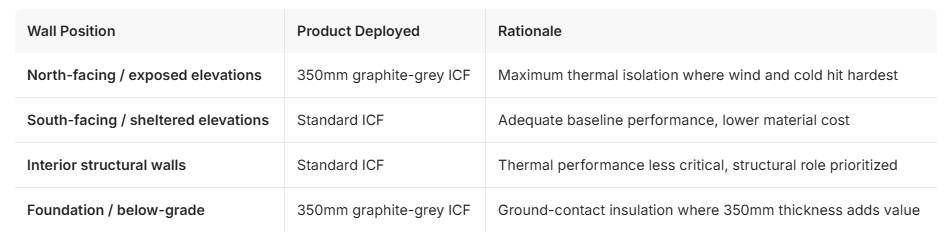
This is not mixing products arbitrarily. It is allocating thermal performance to the walls that need it, and saving cost where they do not — all within one supplier relationship and one logistics chain.
The Competitive Edge for Builders in Cold Markets
If you build in Canada, the northern United States, Scandinavia, or any region where heating and cooling both dominate the energy bill, a dual-spec ICF strategy gives you a pricing and performance advantage that single-spec competitors cannot replicate:
Sell year-round energy savings, not just winter performance
Optimize material costs by deploying graphite only on high-stress walls
Differentiate your builds with a spec that homeowners feel in their utility bills
Simplify procurement with a single supplier covering both product lines
The Edmonton builder already proved the model. One container, two ICF specs, a home that fights the cold in February and the heat in July — with one energy bill to show for it.
Interested in starting your own ICF bracing order? Contact us at [email protected] — we'll help you build your brand, even from just 50 sets.